
When someone searches "electrician near me" or "dentist in Guildford", Google is answering a different question than for a national search. It is asking which nearby business is most relevant, most established and most trusted. Local SEO is simply the work of making those three things obvious.
This guide covers Google Maps and ordinary website results separately. A better website can support local visibility, but it cannot change how far your business is from a searcher. Start with accurate information, then improve the pages and enquiry journeys customers actually use.
Your Google Business Profile is the main event
For local searches, the map pack usually sits above the normal results. That listing comes from your Google Business Profile, not your website. Most businesses set one up years ago and never returned to it.
Work through all of it:
- Exact business name, address and phone number, matching your website exactly
- The most specific primary category available, plus relevant secondary categories
- Real opening hours, kept accurate around bank holidays
- Services listed individually, each with a short description
- Relevant, genuine photographs that show your premises, team or completed work
- Regular posts, even short ones about recent jobs
Google describes local results in terms of relevance, distance and prominence. Complete information helps it understand your business; there is no fixed photo count or posting frequency that guarantees a higher position. If you visit customers and do not receive them at your address, follow the service-area business rules and hide that address. Do not claim a virtual office as a staffed location.
Reviews are ranking signals, not just reassurance
Genuine reviews help people assess your work. Google says review count and positive ratings can contribute to local prominence. Invite customers to leave honest feedback without incentives or filtering requests to only those likely to be positive. Reply helpfully, avoid sharing private details, and let customers describe their experience in their own words rather than asking them to insert keywords.
Service pages first, location pages where useful
A long list of services and towns is not a substitute for useful explanations. Give distinct services their own pages when customers need different information: what the work involves, what affects the cost, what happens next and examples you have permission to share. A small business with one clear offer may not need many pages.
If you serve several towns and genuinely work in each, a page per town can work — but only if it contains real, specific content about that area. Copies with only the town name changed add little value. Before creating another page, ask whether you can offer different project evidence, practical service information or a genuinely different customer journey.
Consistent details across the web
Google cross-checks your name, address and phone number against directories, social profiles and trade bodies. Old addresses and dead phone numbers create doubt. Pick the exact format you will use everywhere, then correct the major listings: Bing Places, Apple Maps, Yell, Checkatrade, Companies House and any trade associations you belong to.
The technical basics still decide things
Rankings assume the page works well:
- Loads fast on a mobile connection
- Passes Core Web Vitals, particularly layout stability and load speed
- Uses one clear H1 per page and sensible headings underneath
- Has descriptive page titles matching the topic, adding a location only when relevant
- Uses accurate structured data for the business and services, without invented offices or reviews
- Is fully crawlable, with a real sitemap and no accidental noindex tags
None of this is glamorous, and all of it is checkable.
Content that answers local questions
The articles that earn local traffic are the ones answering questions your customers actually ask: what something costs in your area, whether planning permission applies locally, how long a job takes, what to look for when choosing a supplier. Write those, link them to the relevant service page, and you build relevance for the whole site.
Links from your own area
A mention from a local newspaper, a nearby charity you sponsor, a supplier's stockist page or a local business network carries real weight because it ties you to the place. Sponsorships and community involvement you already do are usually the easiest wins.
How long it takes
There is no universal timetable. Changes need to be discovered and evaluated, and competitive searches may take sustained work without a guaranteed outcome. Record what changed, then review a 28–56 day window rather than reacting to a few days of movement.
A sensible order of work
- Fix and fill out your Google Business Profile
- Start a genuine, ongoing review habit
- Fix speed and mobile problems on the site
- Improve the service pages customers need; add area pages only where genuinely useful
- Clean up your listings elsewhere
- Answer real customer questions when you have something useful to add
Done in that order, each step makes the next one work harder. That is the whole trick to local search.
Measure local visibility and enquiries separately
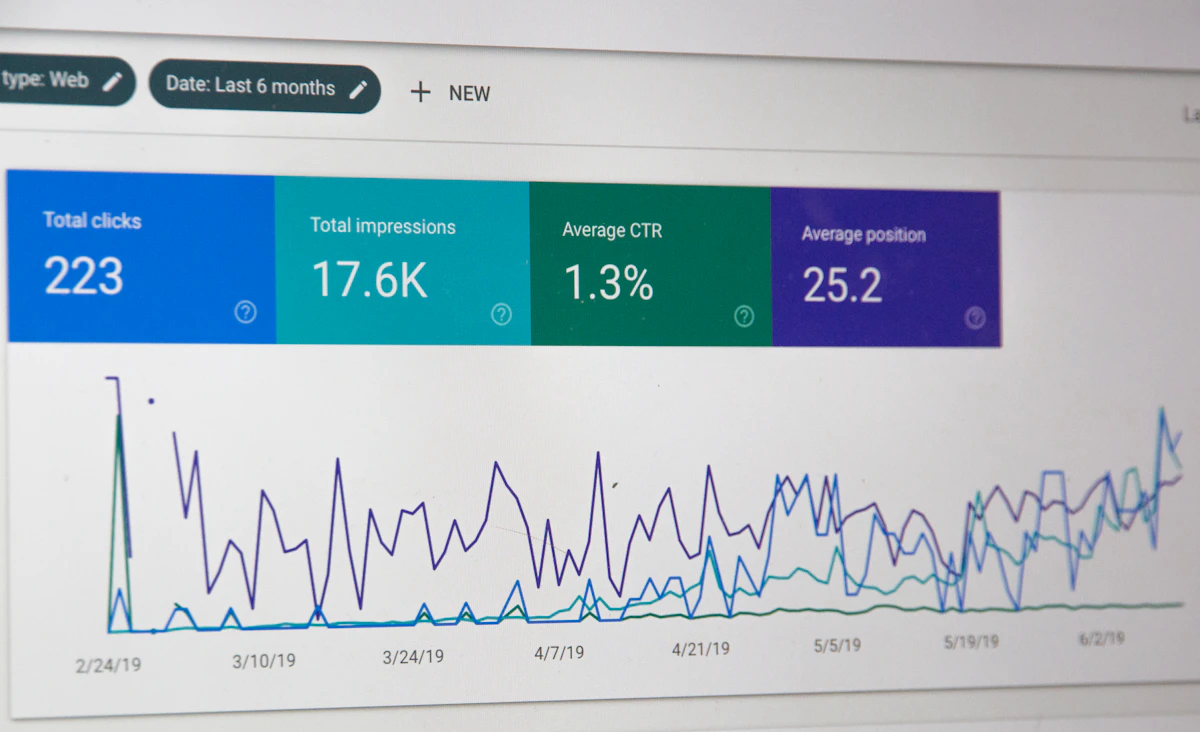
In Search Console, filter to a specific page before looking at its queries. Compare clicks, impressions, CTR and average position over equivalent periods, and separate devices or branded searches when the sample allows. A page averaging position 60 has a visibility problem first; a new description alone is unlikely to solve it. Check the live URL and Google-selected canonical if an important page is not being indexed as expected.
Google Business Profile performance covers a different journey, including calls and directions from the profile. Website analytics should distinguish completed enquiries from clicks on a call button: a click is not proof of a completed call. Judge progress by relevant enquiries and booked work, not impressions alone.
A practical next step
Choose one important service page, check its business details and mobile contact options, then write down the questions it still leaves unanswered. Our local SEO service explains what a supported audit covers. If the underlying site needs attention, see our Surrey website design approach or website services; a free working demo is an option for a new build, not a requirement to use this guide.
For the underlying guidance, see Google’s local ranking explanation and business representation guidelines.