
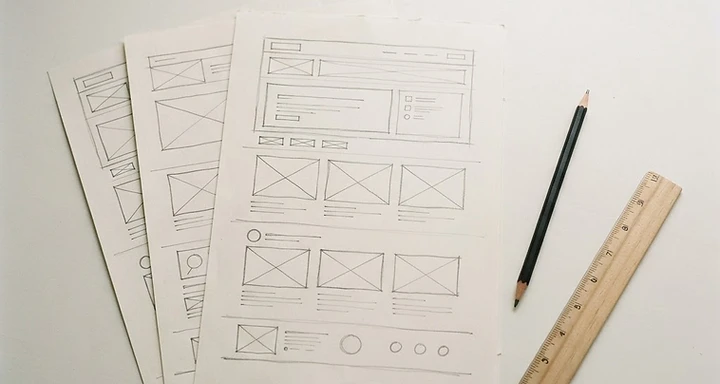
A home page is not a brochure cover. It is a short conversation with a stranger who is deciding whether to trust you. Structure it around the questions they are silently asking, in the order they ask them.
1. What is this and is it for me?
Above the fold: a headline that states what you do and who for, one supporting line, and one primary action. If a stranger cannot answer "what do they do" in three seconds, nothing below matters.
Skip "Welcome to our website". Skip the rotating carousel — visitors do not wait for slide three.
2. Can I trust you?
Immediately after the headline, one strip of proof. Real client names, a review score, years in business, accreditations that mean something in your trade. Small, quiet, factual. This is the cheapest trust you will ever buy.
3. What exactly do you offer?
Three to six services, each with a plain-English name, one line of benefit, and a link to its own full page. The home page's job here is routing, not explaining.
4. Why you rather than the next tab?
Not "quality, service, value" — everyone claims those. Something specific and checkable: a guarantee, a timescale, a way of working, an offer nobody else makes. If a competitor could copy and paste it onto their site, it is not a differentiator.
5. What does it cost and how does it work?
A price signal and a simple three or four step process. "From £350" plus "Call, see a demo, approve, go live" removes the two biggest hesitations — fear of the price and fear of the unknown.
6. Show me it worked for someone like me
Two or three real examples with a sentence of outcome, and one genuine testimonial with a name and location. One specific story beats ten generic quotes.
7. My last worries
Four or five short answers to the objections that actually come up on the phone: timescales, whether you cover their area, what happens if they need changes, who owns the site. Answer them here and your enquiries arrive warmer.
8. Tell me what to do next
One closing section with one action, plus your phone number as a tappable link. Give them a second option — call or form — and no third.
What to leave out
Long company history, mission statements, stock photos of handshakes, social media feeds, news from 2019, a full price list that invites comparison shopping, and any section you cannot explain the purpose of.
The test
Show it to someone outside your industry for five seconds, take it away, and ask: what do they do, who for, and what would you do next? If they can answer all three, the structure is working.